How to Rodent-Proof Your Missoula Crawl Space
If rodents are getting into your Missoula home, there’s a good chance they’re coming through your crawl space. It’s the most common entry point we find and the most overlooked one by homeowners trying to solve the problem themselves.
Here’s why Missoula crawl spaces are such a magnet for mice and rats, and exactly what it takes to seal them properly before Clark Fork Valley temperatures drop.
Why Missoula Crawl Spaces Are a Rodent Target
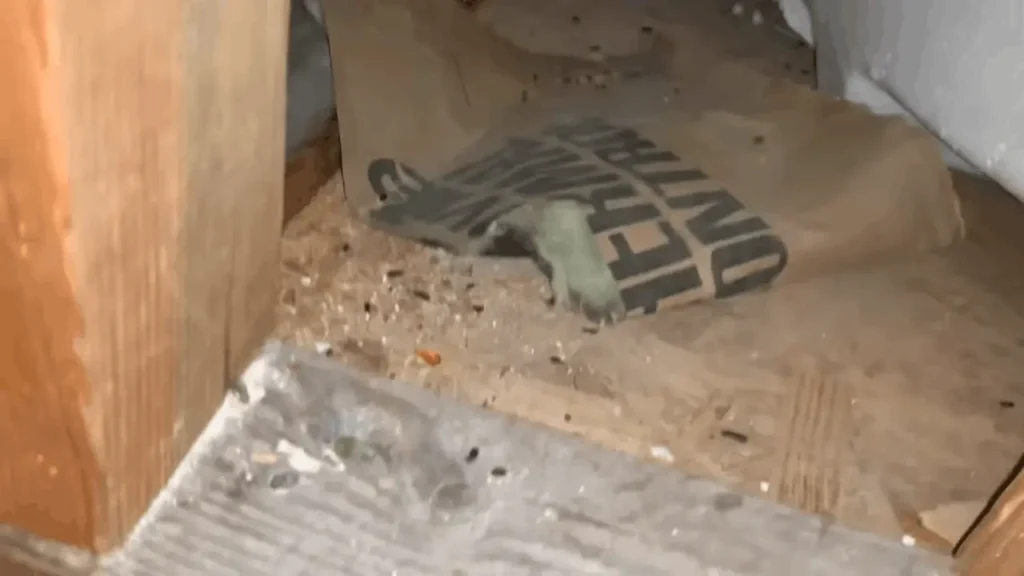
Crawl spaces offer everything a rodent needs to survive a Missoula winter: warmth from the structure above, darkness, moisture from the ground, and insulation material perfect for nesting. Norway rats pushing in from Clark Fork River banks and deer mice moving down from Rattlesnake and Grant Creek forest edges both treat crawl spaces as a first destination once overnight temperatures fall below freezing.
The problem gets worse every winter because of Missoula’s freeze-thaw cycle. As temperatures drop to -10°F or -20°F, foundation seams contract and crawl space vent covers shift, turning sealed gaps back into open entry points by mid-November. Standard repairs done in summer often fail before the first real cold snap arrives.
Inspect Every Vent Cover
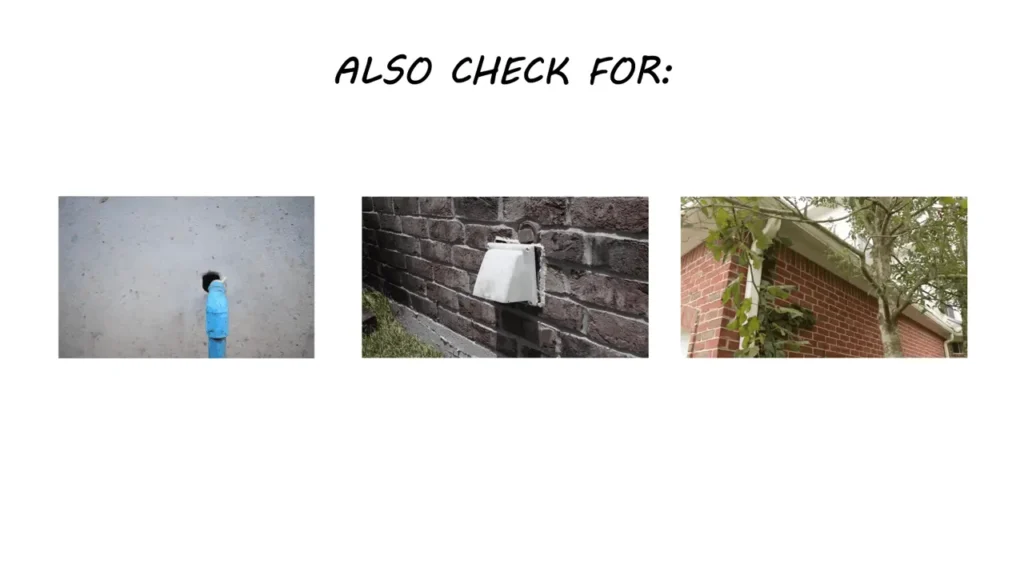
Crawl space vents are the most common rodent entry point in Missoula homes. Plastic vent covers crack under Montana’s temperature swings. Metal covers bend and gap at the edges. Mesh screens corrode or pull loose after a few winters.
Check every vent cover around your foundation perimeter. Look for:
- Cracks or missing sections in plastic covers
- Gaps between the cover frame and the foundation wall
- Mesh that is torn, corroded, or pushed inward
- Any opening larger than ¼ inch
If you find damage, the cover needs to be replaced, not patched with foam or tape.
Use the Right Materials (This Is Where Most DIY Fails)
This is the step most Missoula homeowners get wrong. Standard foam sealant, plastic mesh, and hardware store vent covers are not rated for Montana winters. They fail within one or two freeze-thaw cycles, reopening the same entry points you already sealed.
Permanent crawl space exclusion in Missoula requires the following:
- ¼-inch stainless hardware cloth — rodent-proof and rust-resistant through Missoula’s wet springs and cold winters
- Metal flashing — for sealing gaps along foundation edges and sill plates where foam always fails
- Frost-rated vent covers — built to hold their shape and seal through repeated -20°F cycles
- Galvanized screws and anchors — not plastic fasteners that crack in deep cold
If the material isn’t rated for Montana’s temperature range, it won’t last the winter.
Seal the Sill Plate and Foundation Edge
The sill plate, where your home’s wooden framing meets the top of the foundation wall, develops gaps over time as wood dries, settles, and shifts. In Missoula homes more than 20 years old, this gap is almost always present and almost always overlooked.
Run your hand along the inside of the foundation wall at the point where the wood framing begins. Any draft, light, or visible gap needs to be sealed with metal flashing and stainless mesh, not foam, which compresses and pulls away from wood over time.
Check Pipe and Utility Penetrations
Every pipe, conduit, or cable that enters your crawl space through the foundation is a potential rodent entry point. Even a small gap around a water supply line is enough for a deer mouse to squeeze through.
Seal around every penetration with stainless mesh packed tightly around the pipe and finished with a metal collar where possible. Foam alone around pipes fails quickly, rodents chew through it within days.
Address Moisture and Nesting Conditions
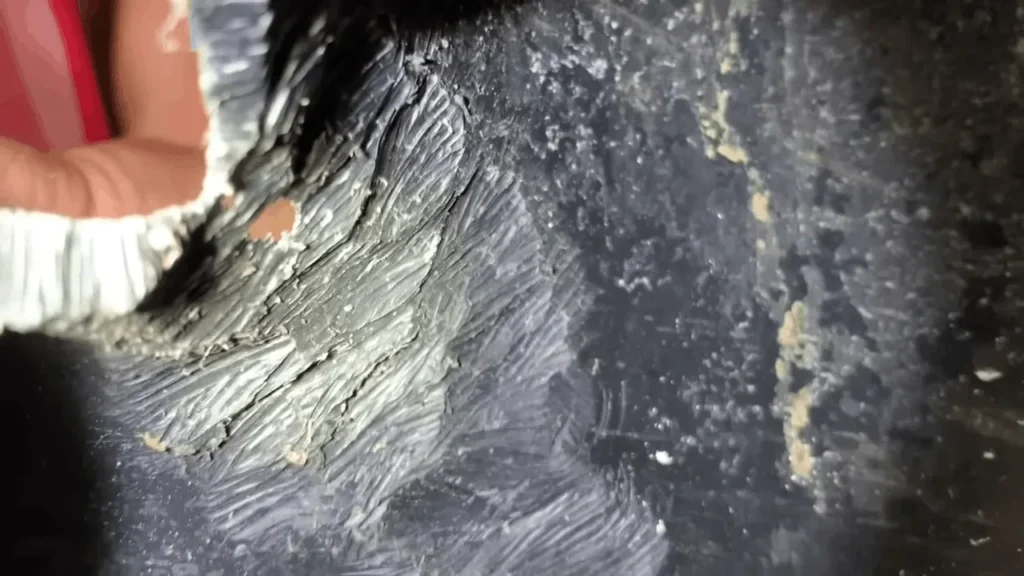
A damp crawl space is more attractive to rodents than a dry one. If your crawl space has standing water, a deteriorated vapour barrier, or poor drainage, rodents will actively seek it out as a nesting zone, especially Norway rats, which prefer moist environments near water sources like the Clark Fork River.
Steps that reduce crawl space attractiveness:
- Replace torn or inadequate vapor barrier with a full ground cover
- Ensure crawl space drainage directs water away from the foundation
- Check that existing vents actually provide airflow and aren’t blocked by debris or soil
A dry, well-ventilated crawl space is a significantly less appealing target.
When to Call a Professional
DIY crawl space exclusion works if you catch every entry point and use the right materials. In practice, most Missoula homeowners miss at least one gap, and that’s all it takes for a full reinfestation within weeks.
Call a professional if:
- You find active droppings or nesting material in your crawl space
- You’ve sealed it before, and rodents came back the following winter
- Your home is older than 20 years with original foundation venting
- You’re managing the property remotely and can’t inspect it yourself
Rodent Control Missoula — Crawl Space Specialists
At Rodent Control Missoula, crawl space exclusion is one of our most common jobs. We inspect every vent, seal every penetration with Montana-rated materials, and deliver a photo report of every entry point found and fixed. Our 60-day return guarantee backs every job.
Call us today: (406) 316-4242
Or book online at rodentcontrolmissoula.com
Same-day and next-day service across Missoula — Downtown, University District, Grant Creek, Rattlesnake, Northside, Miller Creek, and surrounding areas.