
Rodent Proofing & Exclusion Missoula, MT
Same/Next-Day Rodent Proofing & Exclusion for Missoula, Grant Creek, University District, Rattlesnake & Downtown Missoula
Trapping rodents without sealing entry points is the most common and expensive mistake Missoula homeowners make.
110+ ReviewS
Licensed & Certified
100% Satisfied clients
Serving Missoula Since 2019
Remove the mice, leave the gap open, and new mice follow the existing scent trail back into the same entry point within 48 hours. Rodent Control Missoula operates on one principle: exclusion first, exclusion permanently. Every material we use is rated for Montana’s -10°F to -20°F winters, not just on the installation day.
And every repair we make is documented with photos, so remote owners, landlords, and STR hosts have a verifiable record of exactly what was sealed and where. For species-specific removal before exclusion, see our mice control Missoula and rat removal Missoula pages.
November Alert — First Freeze Already Hit Missoula
Clark Fork Valley ground frost has arrived, and that first hard freeze is when rodent pressure on Missoula structures spikes fast. Every gap over ¼ inch is a confirmed mouse entry point. Every gap over ½ inch is a confirmed rat entry point.
Foundation seams contract under Montana temperatures and open by November. Fascia boards lift under freeze/thaw stress, giving roof rats direct attic access. Crawl space vent covers shift when the ground heaves, opening ground-level entry points that Norway rats exploit immediately.
Sealing before the first scent trail forms is always faster and cheaper than sealing after an infestation is established. October exclusion prevents the entire winter cycle from beginning. Every week of delay in November means more structural gaps opening and more rodents establishing trails that carry all season.
Why Professional Rodent Exclusion Matters in Missoula
Three things make Missoula different from most Montana cities, and all three are why DIY exclusion consistently fails here.
Montana winters reopen gaps every season. Freezing nights cause foundation seams to contract and crack, fascia boards to lift, and spring ground heaving to split new gaps along valley floor foundations. Standard foam fails under freeze/thaw stress, and rodents gnaw through it in hours. Caulk cracks under thermal expansion. Neither survives a Missoula winter as a primary barrier.
Scent trails make unsealed homes permanent targets. Rodents leave pheromone trails that guide new animals to the same entry points indefinitely, even after the original animals are gone. Without sealing every confirmed entry AND neutralising those trails with enzyme deodoriser, re-infestation is virtually guaranteed within the same season.
Species-specific sealing specs matter. Mice require ¼-inch 16–19 gauge stainless hardware cloth. Rats require a ½-inch minimum, though ¼-inch is recommended for both. A wrong mesh size means rodents pass straight through what looks like a sealed gap. We identify species before selecting materials every time.
What We Seal — Common Entry Points in Missoula Homes
| Entry Point | Rodent Risk | Our Seal Method |
|---|---|---|
| Crawl space vents | High Norway rat primary entry | Frost-rated vent guards + ¼-inch stainless mesh |
| Foundation cracks & seams | High expands every Montana winter | Concrete-rated flashing + stainless mesh collar |
| Fascia & soffit gaps | High roof rat primary entry | Metal flashing + stainless soffit mesh |
| Pipe & utility penetrations | High any gap over ¼ inch | Metal collar + stainless fill fabric |
| Garage door threshold | Medium-High mice enter under worn seals | Reinforced rodent-proof door sweep |
| Roofline & attic vents | Metal collar + stainless steel fabric | Snow-rated stainless vent guards |
| Chimney openings | Metal collar + stainless steel fabric | Snow-load rated chimney caps |
| Foundation-siding gap | Highly common in Missoula older homes | Metal flashing barrier |
Older homes in Northside, Westside, and the University District typically have unscreened original crawl space vents, ageing pipe penetrations around cast iron plumbing, and foundation-siding gaps that predate modern building standards.
Newer construction in Grant Creek and Miller Creek corridors frequently has contractor gaps around foundation siding from rapid builds. Both require different exclusion approaches, and we document each one.
How to Control Mice Before They Enter Your Missoula House?
The most effective prevention follows six steps:
- Seal every exterior gap over ¼ inch with stainless hardware cloth; foam fails within one Missoula winter
- Install rodent-proof door sweeps on garage and exterior entry doors before October
- Cover crawl space vents with frost-rated metal mesh guards before the first ground frost
- Trimming tree branches within 3 feet of your roofline removes the roof rat access highway
- Remove outdoor food sources within 30 feet of the structure: birdseed, compost, uncovered garbage
- Schedule a professional pre-season inspection in September, before scent trails form and before structural gaps open under the first freeze
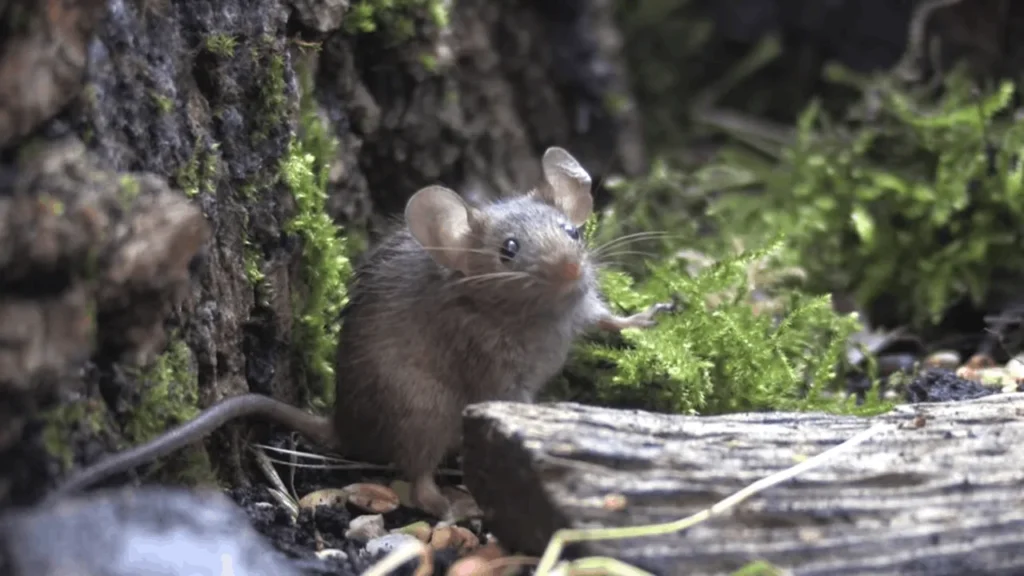
DIY sealing misses interior entry points, uses materials that fail in Montana temperatures, and skips scent trail neutralisation entirely, which is why re-infestation after DIY attempts is common in Missoula homes.
How to Humanely Catch and Release Mice in Missoula?
Use an enclosed live box trap baited with peanut butter or nesting material. Check every 4–6 hours; mice dehydrate rapidly in Montana temperatures. Release it at least 1 mile from your property in a woodland or field area well away from other structures. Always wear gloves when handling traps. Deer mice in the Missoula area carry a documented hantavirus risk.
One important reality: catch-and-release without sealing entry points accomplishes nothing long-term. New mice follow existing scent trails back into the same gap within 24–48 hours. Humane trapping is a short-term measure. Permanent exclusion is the only solution that ends the cycle.
What Month Are Mice Most Active in Missoula?
Mice are most active in Missoula from October through February. Clark Fork Valley ground frost in October triggers mass movement from creek banks, forest edges, and open fields into residential structures.
Activity peaks in November and December as temperatures drop toward -10°F and lower. A secondary surge occurs in March and April when the spring thaw causes foundation heaving and new structural gaps open just as the breeding season accelerates.
- October–November: Highest risk, first freeze entry surge; scent trails form fast
- December–February: Deep winter, wall cavity and attic activity peaks
- March–April: Spring thaw, new gaps open, breeding accelerates
- May–September: Lower outdoor pressure, best window for preventive exclusion work
Our Rodent Shield Missoula Exclusion System 6 Steps
You describe what you are seeing or hearing. We confirm property type, access details, pets, and kids and ask for a driveway photo so our technician arrives informed and ready, not just to assess basics.
Every exterior gap over ¼ inch is identified, attic, crawl space, foundation, roofline, vents, garage, and all pipe penetrations. Each entry is GPS-tagged, photographed, and rated A, B, or C for severity. Written report delivered within hours.
Itemised pricing per entry zone before any work begins. Your inspection fee is credited toward approved work. No pressure, no upsells, no hidden charges.
One-way exit devices and snap traps remove active animals before sealing begins. This prevents dead-animal-in-wall odour, one of the most common problems caused by sealing before removal is complete.
Every confirmed entry sealed with the right material for its location and species risk, ¼-inch stainless hardware cloth, metal flashing, frost-rated vent guards, snow-load chimney caps, and reinforced door sweeps. Zero foam is used as a primary barrier.
HEPA vacuum all droppings, enzyme deodoriser applied to all active scent trails, and insulation restored where nesting has damaged it. A 7-day follow-up confirms entries remain sealed and no new activity has occurred, with a final photo report sent to the owner.
Materials & Methods | Built for Missoula Winters
| Material | Application | Why Montana-Rated |
|---|---|---|
| ¼-inch stainless hardware cloth (16–19 gauge) | Fascia, soffit, and foundation-siding gaps | Cannot be gnawed, rust-resistant, survives -20°F |
| Metal flashing (24-gauge galvanised) | Fascia, soffit, foundation-siding gaps | Rated for freeze/thaw expansion, foam cracks, and metal does not |
| Frost-rated vent guards | Crawl space and attic vents | Snow-load rated, standard plastic cracks under Montana winter |
| Snow-load chimney caps | Chimney openings | Engineered for Missoula snowpack |
| Reinforced door sweeps | Garage and exterior entries | Heavy-duty rubber + stainless fill, rodent-proof rated |
| Concrete-rated sealant | Foundation seam backup layer | Expands and contracts with Montana temperature swings |
Foam spray fails below -10°F. Standard caulk cracks under thermal cycling. Rodents gnaw through both within hours of installation. Every material we specify is rated for what Missoula winters actually do to a structure season after season.
Pricing & Transparency
Preventive exclusion only (no active infestation): $300–$800
Exclusion + active removal (light infestation): $500–$1,200
Full exclusion + attic or crawl space cleanup (moderate–severe): $1,500–$4,000+
What affects your specific cost are the number of confirmed entry points, property size and construction age, whether active removal is needed before sealing, and the scope of HEPA sanitation and insulation restoration required. Older Northside and Westside properties typically have more entry points than newer construction.
Your inspection fee is credited toward any approved work. Written itemised estimate before anything begins. 60-day return protection. If rodents return after our exclusion work, we will come back at no charge.
Common Proof Points — What We Document for You
Every completed exclusion job produces a digital report containing:
- Time-stamped photos of every gap found and every seal applied
- A/B/C urgency rating per entry point, immediate vs monitored vs preventive
- Material specification per repair, exactly what was installed and why
- GPS-tagged repair map, remote owners see exact locations without being on-site
- Before and after documentation per sealed zone
- Annual re-inspection recommendation, which includes gaps to recheck each September before the next freeze
This documentation matters for remote second-home owners managing properties from out of state, landlords maintaining records for tenant disputes, STR hosts needing professional service evidence for Airbnb and VRBO, and insurance documentation when structural damage has occurred.
STR Hosts & Second-Home Owners — Special Care
A second home sitting empty from October through March is an unmonitored structure exposed to months of rodent pressure, foundation seams cracking, fascia lifting, vent covers shifting, with no one on-site to notice. By the time a spring visit reveals the problem, a preventable entry point has become a full winter infestation.
Pre-season exclusion in September is the single most cost-effective investment a second-home owner or STR host in Missoula can make. We inspect and seal priority gaps before the first ground frost, and deliver a photo-documented report you can review remotely before winter begins.
For active STR incidents, roof rats scratching above a guest bedroom, mice in the kitchen during a guest stay, we offer a 4-hour emergency response when routes permit, discreet unmarked vehicle arrival on request, and guest-ready photo documentation formatted for Airbnb and VRBO message threads.
Multi-listing property managers receive consolidated reports showing which units have been serviced, what was sealed, and when follow-up inspections are scheduled.
What You’ll See in Our Reports
- Time-stamped photos — every gap found and every seal confirmed
- A/B/C urgency ratings per entry — immediate priorities vs monitored gaps
- Material specification — what was installed at each location
- GPS-tagged repair map — exact locations for remote owners
- Before and after per sealed zone — visual confirmation of completed work
- Annual maintenance schedule — September re-inspection recommendation
Before & After Rodent Proofing Missoula Real Homes, Real Results
We don’t just talk about results, we show them. Every before-and-after photo below comes from real Missoula properties where we sealed crawl space vents, foundation seams, and pipe penetrations with materials built to survive Montana freeze/thaw cycles, and documented every repair with GPS-tagged photos so owners could see exactly what changed.
Call Now for Same/Next-Day Service Rodent Proofing & Exclusion Missoula, MT
📞(406) 316-4242 — Fastest response ⏰Mon-Sat: 7:00 AM – 6:00 PM | Sun: By appointment
Serving Downtown Missoula, Northside, Westside, University District, South 39th, Grant Creek, Miller Creek, Rattlesnake, South Hills, Lewis & Clark
Primary service: Downtown Missoula, Northside, Westside, University District, South 39th, Grant Creek, Miller Creek, Rattlesnake, South Hills, Lewis & Clark
Extended service: East Missoula, Lolo, Two Rivers, Piltzville, Heart of Missoula
Routes optimised around Higgins Avenue, Brooks Street, Reserve Street, Grant Creek Road, Rattlesnake Drive, Highway 93, Highway 12
We know Missoula’s neighbourhoods, access challenges, and seasonal conditions, from Clark Fork Valley cold air pooling to Grant Creek forest edge roads after the first frost. Local techs, not outsourced crews.